The challenge
Stratom, Inc. builds robotic and autonomous systems for defense and first-response missions. The team was developing an autonomous tracked vehicle on a tight schedule, and the open question was whether the design would work as intended on real terrain under real loads. The conventional path, building a physical prototype and testing it in the field, would have consumed the schedule and committed budget to a configuration nobody had yet confirmed would drive and perform.
The approach
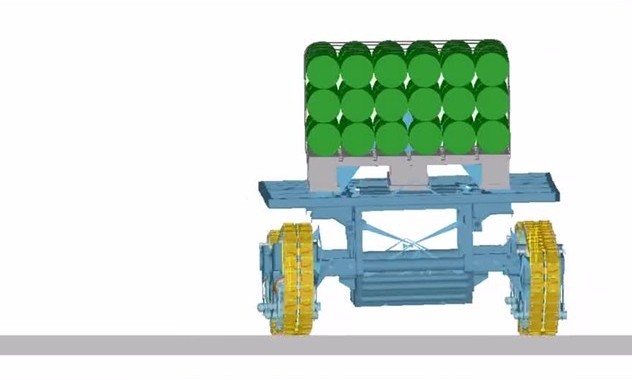
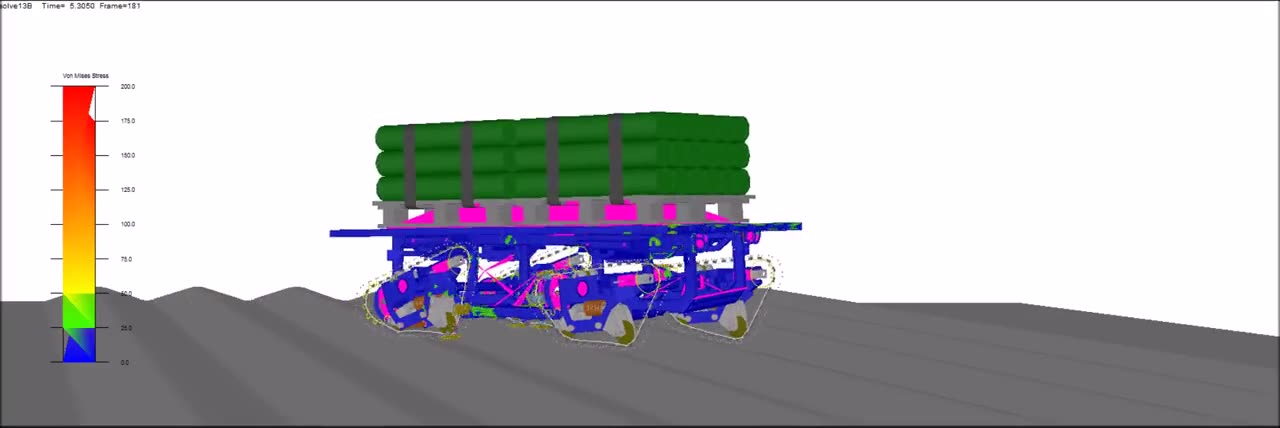
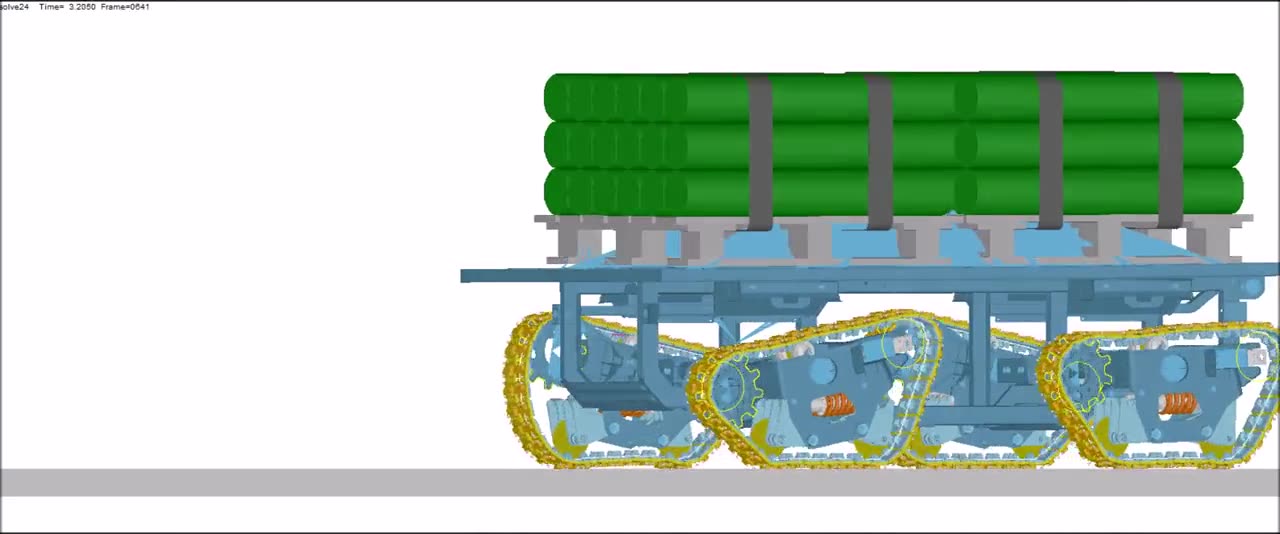
DSIM built a multibody dynamics (MBD) model of the vehicle in Adams Solver, track systems included, and put it through the terrain and obstacle scenarios that mattered, simulating how the system behaved and quantifying the loads and forces acting on the design. DSIM used the model to find where forces concentrated, which components saw the most demand, and which design choices held up under the conditions the vehicle would actually face. With flexible frame structures in the model, transient stress was recovered directly from the dynamic events rather than from static load cases.
“Initially, I had my reservations about MBD. However, after working with Darren and his team, I can confidently say that working with DSIM was very easy. They under promised and over delivered big time on this project. Darren was very easy to work with and he and his team were able to manage our expectations and deliver the results that we needed.”
The result
Stratom made design changes informed directly by DSIM's simulation results, then moved into the physical prototype build with the schedule intact.
“Based on the results Darren and his team provided, we are in the process of building our physical prototype manufactured on time, under budget and with an underlying confidence on our design process. We won't hesitate to leverage MBD Simulation and tapping into the expertise Darren and his team have.”
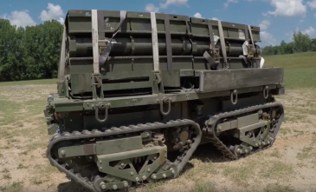
The machine that was built
The vehicle in these simulations was built and went to field testing.